Information about Probiotics for Dogs in Panchkula can help new pet parents understand the importance of proper digestive care when welcoming a new puppy. Preparing for your puppy’s arrival is an exciting, challenging, and immensely rewarding experience.
There are many things to take care of before Welcoming a New Puppy to your home. Kindly ensure that you’re fully prepared. In addition to purchasing essential equipment, it’s crucial to make necessary preparations at home. Important considerations include:
Store chemicals, cleaning products, medicines, and other toxic substances out of reach. If needed, use child locks on your cupboards. E-cigarette refills and screen wash are particularly harmful to dogs.
Many common houseplants are very dangerous for dogs and puppies, including lilies, aloe vera, ivy, dieffenbachia, caladium, pothos, zamioculcas, and cyclamen. It’s best to either keep all houseplants out of your puppy’s reach or double-check to ensure yours don’t pose a threat.
Puppies can easily fall or get stuck while exploring. To keep them safe, use stair gates, keep windows and external doors closed, and secure any balconies. Also, before Welcoming a New Puppy ensure there are no spaces they can squeeze into and get stuck.
Puppies like to explore things with their mouths, so put away any small items they could chew or swallow. This includes children’s toys, drawing pins, plastic bags, and elastic bands. Also, hide anything else you wouldn’t want your puppy to chew, such as your shoes.
Electrical cables are very tempting for puppies to chew on and they can also get tangled in them. Hide your cables using ties or covers, and shield plug sockets with covers.
It’s important to bring your puppy home when you have a few days free to stay with them. A quiet house with minimal visitors during the first few days will help your puppy settle in without too much disruption. If possible, collect your puppy in the morning so they have time to adjust to their new surroundings before bedtime.
The joy of owning a puppy comes with a responsibility for his health and well-being. Daily check ups of your puppies should be part of your daily routine. protect your puppies and save a lot of heartache down the road. Like new infants, puppies also needs due care and diligence. Before Collecting your puppy, ensure to maintain puppy’s good health by:-
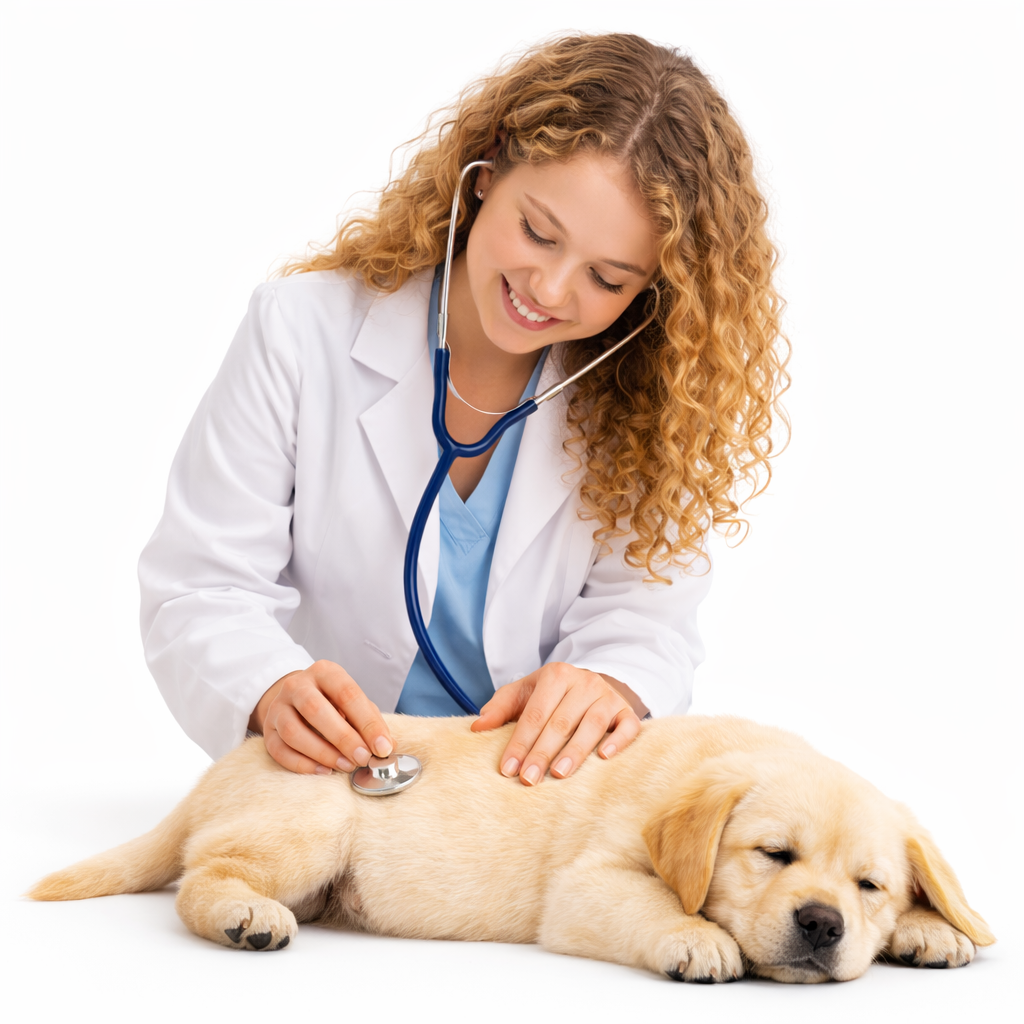
Contact veterinarian for checkups & regular appointments.
Vaccination & follow-up-boosters are essential to protect them from diseases.
Learn about health risks that are specific to your breed. Veterinarian will recognize & advise onset of any diseases.
Check for fleas & other insects. Also check his paws for cuts or abrasions.
Notice, if he is scratching or rubbing his ears excessively
Welcoming Life with a New Puppy to your home is thrilling, but the early days can be stressful for both you and your puppy. Here are some tips to help your puppy settle in smoothly.
It’s a significant day for your puppy as they transition from their mother and litter. To ensure they feel happy and at home with you, consider these essential tips.


Similar to human babies, some puppies settle in easily from the first night, while others may cause sleepless nights as they adjust. Patience and consistency are key—here are some tips to help you through this adjustment period.
Life with a New Puppy for the first time is a significant milestone. Knowing their nutritional needs at this stage will ensure it’s a positive experience for them. surroundings before bedtime.
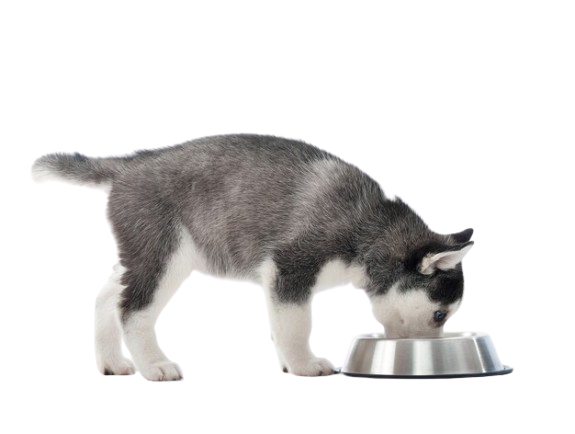

During the first week or two, continue feeding your puppy the same food they received from the previous owner, adhering to the feeding guidelines on the packaging. Sudden changes in diet can stress your puppy and lead to digestive issues.
Feed your puppy in a separate area away from where you and any other pets eat. Allow them to eat undisturbed to prevent feelings of anxiety or protectiveness.
Dogs feel reassured by having a consistent feeding schedule, so establish a routine from day one. During weaning, provide four meals a day, and continue with three meals a day until they are at least four months old. If you have any doubts, consult your vet for guidance.
Young dogs benefit from 3 or 4 small meals a day, instead of one or two big ones. You can use part of their main meal as food rewards for desired behaviours and during training sessions, to avoid overeating.
Puppies grow quickly, and their digestive and immune systems develop gradually, requiring specific nutritional needs different from adult dogs. It’s crucial to feed your puppy feeding & nutrition complete diet tailored to their unique requirements to support healthy development and establish a foundation for a healthy future.
Puppies experience rapid growth and development, and their diet is essential in supporting this process. Proper nutrition is crucial in determining how strong and healthy your puppy will be as an adult dog.
There are a range of vital nutrients that your puppy needs during the first months of life to aid healthy growth and development. A puppy’s diet must be able to provide enough energy and quality protein to support growth and be easily digestible. ROYAL CANIN® diets are nutritionally balanced to offer a tailored diet to meet the needs of puppies of all sizes, lifestyles and breeds.
Puppies have different nutritional needs according to their breed and eventual adult size. Ask your vet for help checking the expected adult weight of your puppy according to their breeding. You can then choose the right food for them and make sure you give it to them in the right quantities.
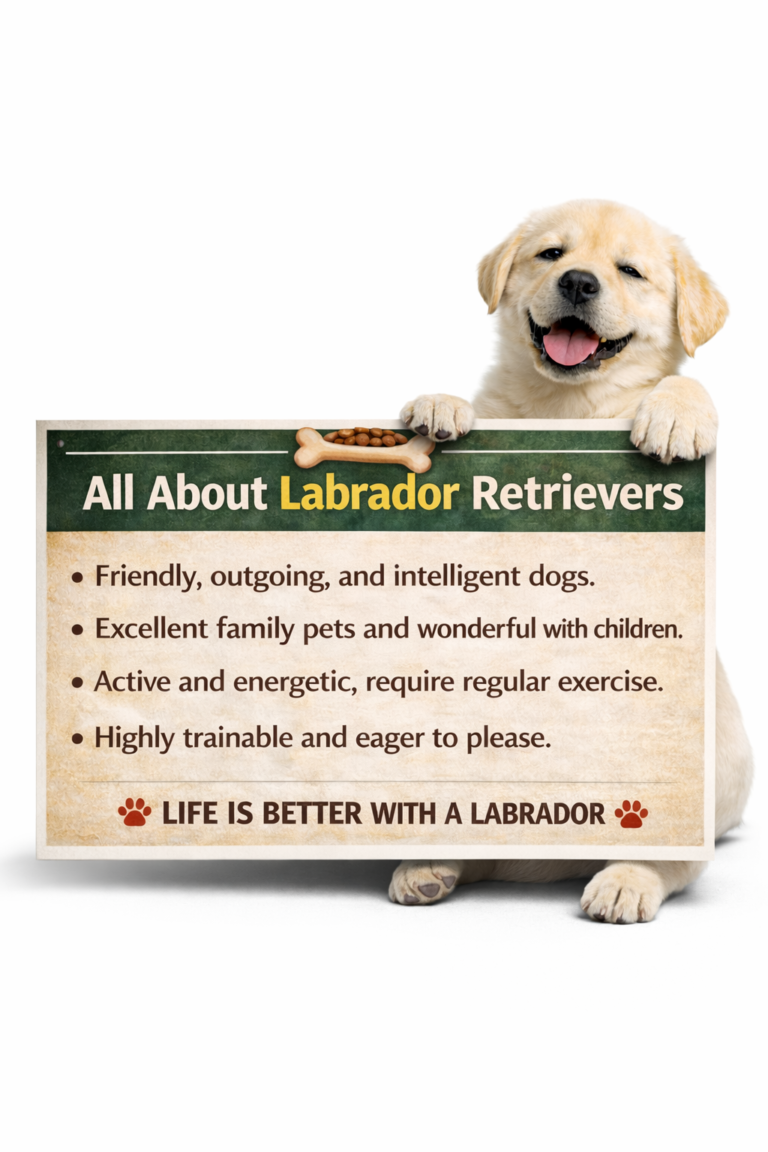
In the first few months of life, your puppy undergoes an incredible transformation. By caring for their health and encouraging healthy habits during this stage, you’re laying the groundwork for a healthy future together.
There are several simple steps you can take in the early weeks with your puppy to ensure their health. Here are some top tips:
Learn to interpret your puppy’s body language to detect any signs of illness.
If something seems off or your puppy isn’t acting like their usual self, consult your vet.
Provide your puppy with a well-balanced diet tailored for their nutritional needs.
Ensure your puppy has plenty of time to sleep and rest quietly both during the day and at night.
Spend quality time with your puppy, interacting and playing with them, as dogs thrive on companionship.
Adhere to your vet’s recommended schedule for vaccinations and worming.
Prevents mammary gland tumors and either eliminates or reduces.
The symptoms associated with being in heat.
Reduced risk of testicular and anal gland tumors, as well as prostate enlargement.
Male dogs are less likely to mark their territory in your garden.
Your male dog will be less prone to roaming, making urine markings, or displaying aggression.
Prevents sexually transmitted diseases.
Female dogs are no longer attractive to male dogs.
Eliminates the possibility of unwanted litters.
The right nutrition is essential to help your puppy stay healthy, energetic, and grow properly. During the early stages of life, puppies experience rapid physical and mental development, making a balanced diet especially important. High-quality protein supports strong muscle growth and tissue repair, while healthy fats provide energy and aid in brain and vision development. Carbohydrates help with digestion and supply additional energy needed for daily activities.
Vitamins and minerals play a vital role in overall health. Calcium and phosphorus support the development of strong bones and teeth, while antioxidants strengthen the immune system and help protect against illness. Feeding age-appropriate, high-quality puppy food ensures your pet receives the correct nutrients in the right proportions. Proper portion control and regular feeding schedules help prevent obesity and digestive problems.
Fresh, clean water should always be available to keep your puppy hydrated. Avoid feeding human food, as it may lack nutrients or be harmful. With the right nutrition, your puppy will grow into a healthy, happy, and active adult dog.
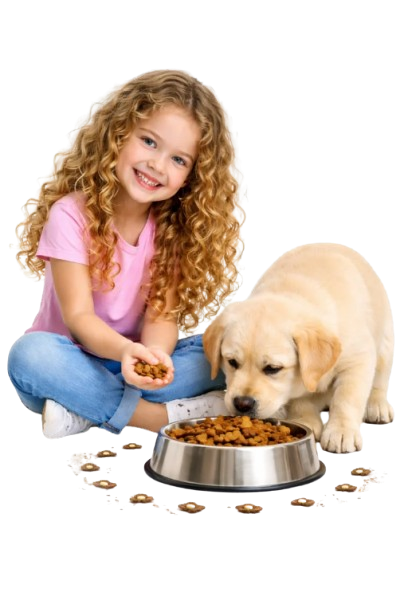
Understanding your healthy puppy behavior, how they express themselves, and the meaning behind their actions is crucial because you are an important social partner to them, whether they are actively seeking your attention or not.
Understanding your healthy puppy behavior, how they express themselves, and the meaning behind their actions is crucial because you are an important social partner to them, whether they are actively seeking your attention or not.
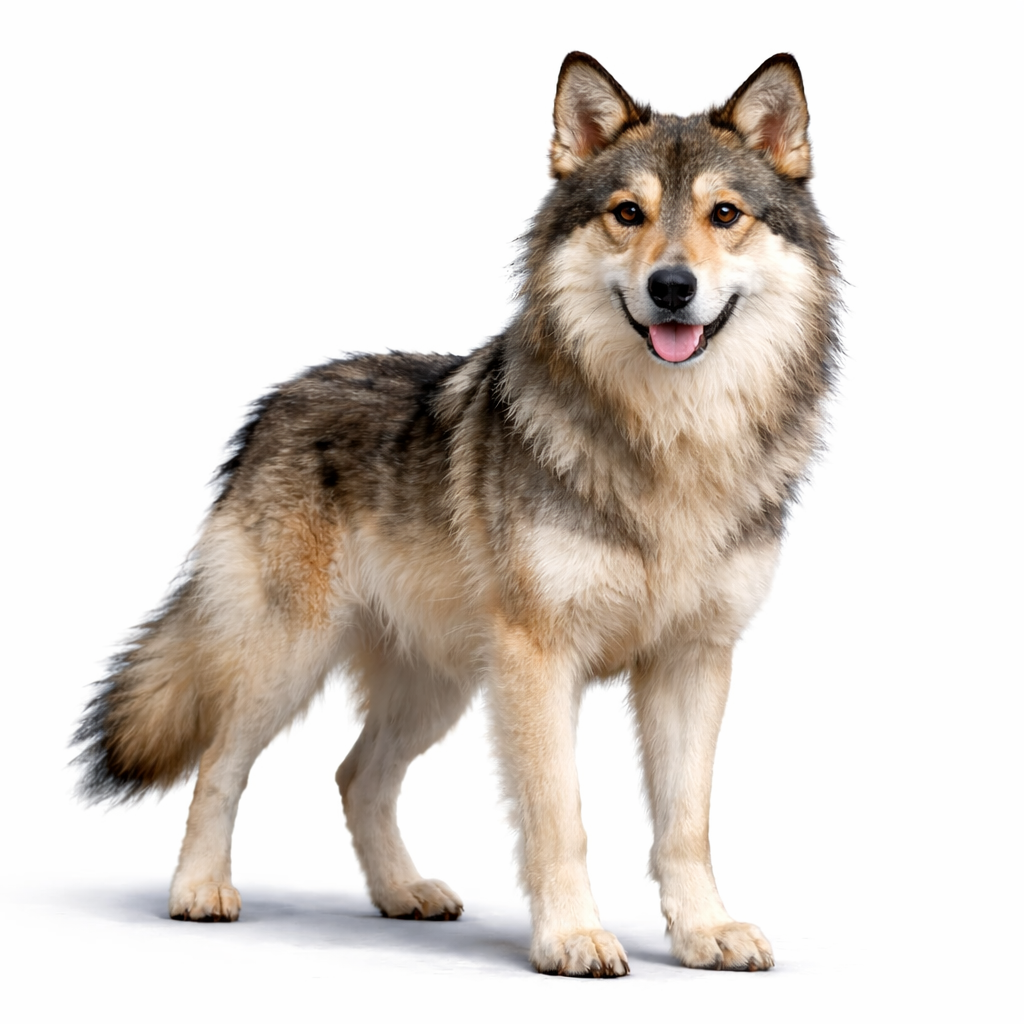
When your puppy displays alert body language, it indicates they are attentive and interested in something around them. This reaction isn’t necessarily negative and simply shows their curiosity about specific items or situations. However, it’s important to closely monitor your puppy’s behavior to ensure they feel comfortable and confident in every situation they encounter.
A playful puppy often shows a “bow” posture and exaggerated movements. Playing games with them when they exhibit this body language ensures they receive both physical and mental stimulation.
It’s important to recognise the signs of fear or distress in your puppy. If your puppy appears to be fearful, you should take them away from the trigger and allow them to calm down.
Puppies showing this behavior are fearful and may attack if provoked. It’s crucial to closely observe your puppy’s body language and avoid pushing them too far.
Offensive aggression in dogs is serious and can stem from fear, territoriality, or dominance. Address it with professional help, training, and understanding triggers to ensure safety and rehabilitation.
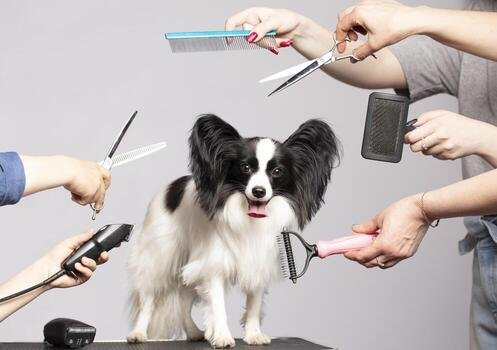
Getting your puppy accustomed to being handled from a young age will make puppy grooming tips easier throughout its life. Each dog breed has specific grooming needs, and understanding these is essential for maintaining a healthy coat.
In addition to maintaining your puppy’s coat health and eye, ear, and nose hygiene, grooming is an excellent way to become familiar with your puppy’s healthy skin, making it easier to notice any abnormalities with puppy grooming tips.

Breeds with short hair, like Dalmatians, German Shorthaired Pointers, and Great Danes, don’t need regular grooming but should be brushed once or twice a week. Use a rubber brush against the hair to loosen dead skin and hair, then remove the debris with a bristle brush in the direction of the hair to prevent irritation.
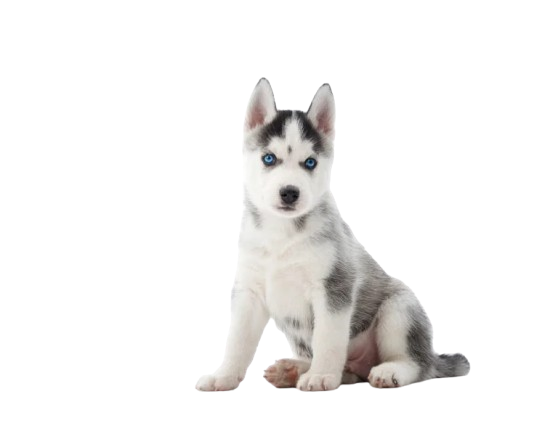
Breeds with short to medium hair, such as Golden Retrievers, German Shepherds, and Border Collies, should be brushed every other day due to their dense coats, which may include both a topcoat and an undercoat.
Start with a slicker brush against the direction of the coat to loosen dead hair and skin and strip the undercoat. Then, use a bristle brush in the direction of the hair to remove the debris.
A wide-tooth comb can be used on the tail and paws to gently remove debris and tangles.

Breeds with short hair, like Dalmatians, German Shorthaired Pointers, and Great Danes, don’t need regular grooming but should be brushed once or twice a week. Use a rubber brush against the hair to loosen dead skin and hair, then remove the debris with a bristle brush in the direction of the hair to prevent irritation.

Coarse-haired breeds like Irish Terriers and Schnauzers require their coat to be stripped four to five times a year. This grooming process involves using a stripping knife to trap dead hairs between the knife and thumb. When done correctly, this technique is not painful for the dog. It’s advisable to consult with a professional groomer before attempting this method.
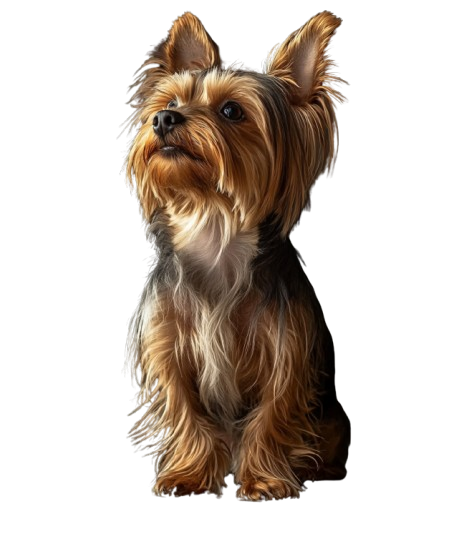
Poodles, Bichon Frises, and other curly-haired breeds have unique coat care requirements compared to other breeds. While they shed less, making them often hypoallergenic, their coats are prone to matting and need daily brushing.
Use a slicker brush to gently remove debris and comb out tangles throughout their entire body. Pay special attention to their legs, paws, and undersides to remove any foreign objects that may have collected during walks.
Understanding the Growth stages of puppies remarkable transformation your puppy undergoes from birth to adulthood will help you provide the proper nutrition at each stage of their development.
Right after birth, it’s crucial to guide a puppy to suckle. During these initial hours and days, the mother transfers vital antibodies and nutrients to her litter, supporting their healthy development.

Growth stages of puppies, At birth, puppies’ eyes are closed, so they rely on scent and touch to find their mother and litter mates for warmth, care, and nutrition. During this early stage, puppies spend most of their time sleeping.
At birth, puppies should weigh between one and five percent of their anticipated mature weight. Their mother’s diet will cause them to put on weight swiftly. The size of the breed determines how much weight a puppy gains in the first several days. Puppies of the same breed should typically grow between two and four grammes of weight per day for every kilogramme of the adult dog’s weight.
The main challenge for newborn puppies is to become autonomous in breathing, maintaining body heat, and feeding, which is crucial for their survival during this critical period. To support them, it is essential to properly prepare the whelping box. Ensure the space has 65-70% humidity by using bowls of water or a humidifier to promote proper breathing, and use a radiant or infrared lamp to maintain warmth.
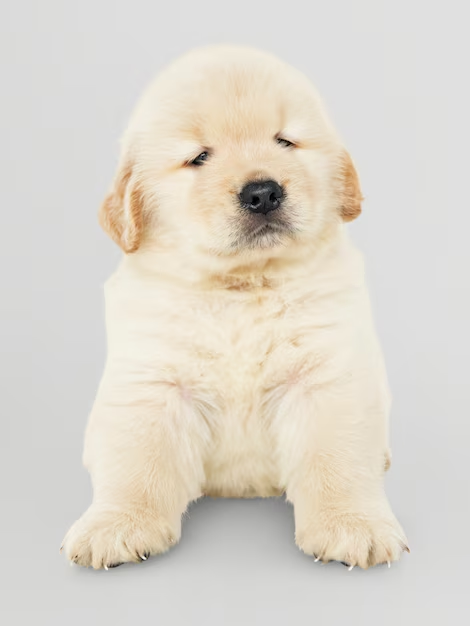
It’s crucial for puppies to start suckling as soon as they are born. Instead of regular milk, they ingest colostrum, a substance produced by the mother that supports and enhances their immune system.
Though they all belong to the same species, dog breeds can vary significantly in size, weight, and nutritional needs. These differences become particularly evident during the puppy growth period.


Don’t miss our future updates! Get Subscribed Today!